SCIENCEWhat does SCIENCE mean?
Established science or active scientific research. The story is grounded in scientific evidence or an active research question. The frontier may still be uncertain. See the full glossary →
Forest Regeneration: Rapid Recovery After Devastating Wildfires
Our planet’s ability to heal and renew, is on full display through Forest Regeneration. This intriguing process enables forests to spring back to life after disturbances
Understanding Forest Regeneration
Forest Regeneration is a fascinating and vital process in the life cycle of our planet’s ecosystems. As a child, I remember being captivated by the deep, lush greenery of forests, and the sense of peace and tranquility they brought. Over time, I’ve learned that these beautiful landscapes owe their existence to a delicate yet resilient process of recovery and renewal.
Forest Regeneration refers to the ability of a forest to restore itself after experiencing disturbances such as wildfires, logging, or disease. This process is essential for maintaining biodiversity, sequestering carbon, and providing habitat for wildlife.
The Cycle of Destruction and Regeneration
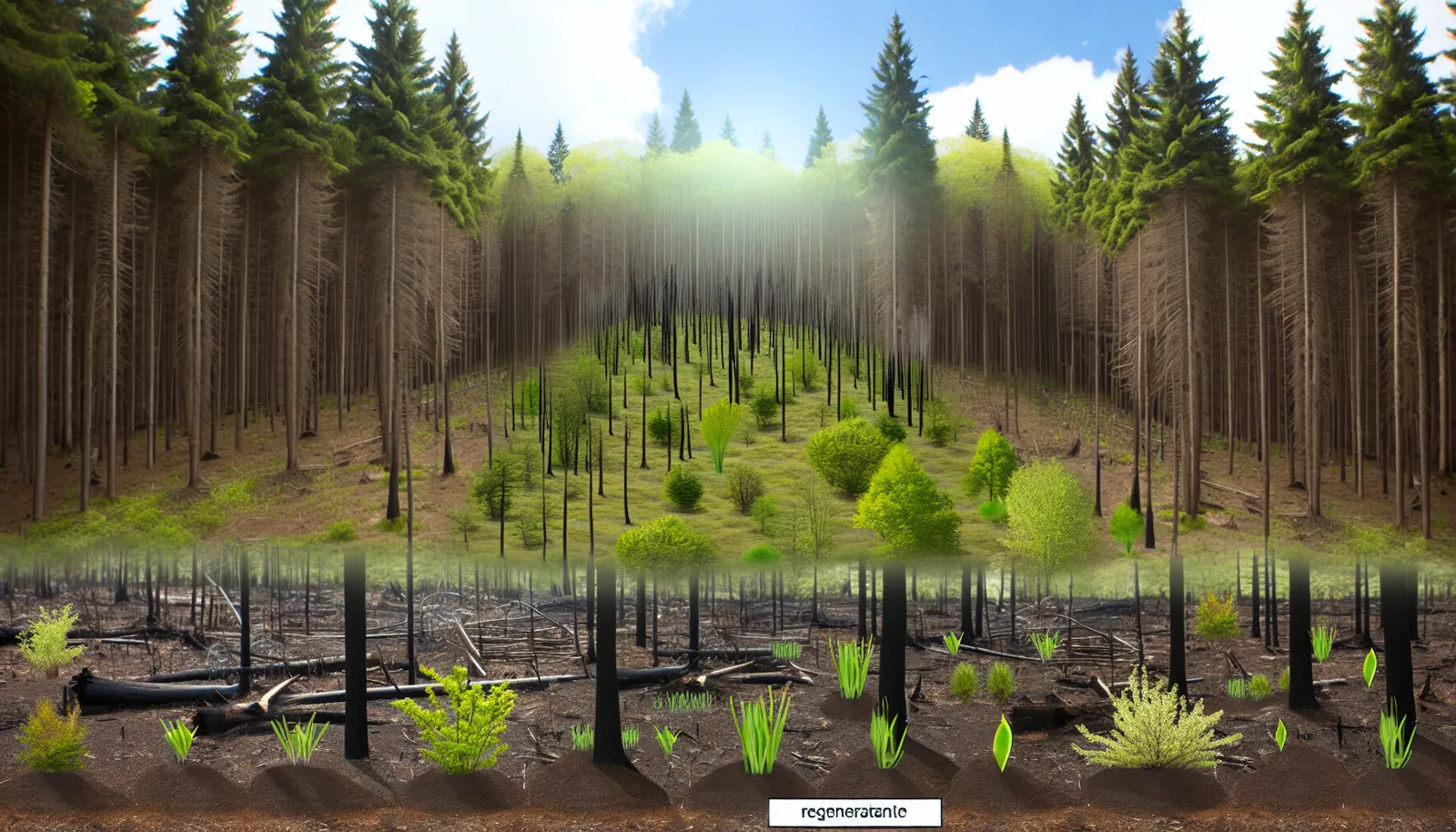
When a forest experiences a devastating event such as a wildfire, it may initially appear barren and lifeless. However, beneath the charred remains lies the potential for new growth and life. The heat from the fire can cause the seeds of certain tree species to germinate, initiating the process of Forest Regeneration.
This process is also facilitated by the nutrients released into the soil from the ashes of the burned trees. This infusion of nutrients, combined with increased sunlight reaching the forest floor, creates an ideal environment for the growth of new trees and vegetation.
Stages of Forest Regeneration
Forest Regeneration typically follows a series of stages, starting with the immediate aftermath of the disturbance. This phase, known as the ‘resprouting phase,’ involves the growth of new shoots from the stumps and roots of the burned trees.
The next stage, ‘the seedling phase,’ occurs when seeds dispersed by the wind or animals begin to germinate and grow. Over time, these seedlings develop into saplings and eventually mature trees, completing the cycle of Forest Regeneration.
Importance of Forest Regeneration
Besides maintaining the health and diversity of our planet’s ecosystems, Forest Regeneration also plays a crucial role in mitigating the effects of climate change. Forests act as carbon sinks, absorbing CO2 from the atmosphere and storing it in their biomass. By regenerating after disturbances, forests continue to perform this vital function.
Nature’s Resilience: Rapid Forest Recovery
Despite the devastation caused by wildfires, nature’s resilience is awe-inspiring. Forests can recover remarkably quickly, with some signs of regeneration visible within just a few weeks of a fire. However, full recovery can take several years or even decades, depending on the severity of the disturbance and the type of forest.
Human Intervention in Forest Regeneration
While Forest Regeneration is a natural process, human intervention can sometimes be necessary to assist recovery, especially in areas heavily impacted by logging or severe wildfires. This can involve planting tree seedlings, controlling invasive species, or implementing measures to protect the young trees from pests and diseases.
Resources for More Information
For more information on Forest Regeneration, I recommend visiting the United States Forest Service website. It provides extensive resources on this subject, including the latest research and best practices for managing post-fire recovery.
Connecting with Previous Posts
In a previous post on this site, we explored the topic of The Importance of Forests in Climate Change. It’s a great read to further understand the role of forests in our planet’s health and the importance of Forest Regeneration in mitigating the effects of climate change.
Conclusion
Forest Regeneration is a testament to the resilience and beauty of nature. Despite the devastation caused by events such as wildfires, forests have a remarkable capacity to heal and renew themselves. This process is not just essential for the health and diversity of our ecosystems, but it also plays a pivotal role in mitigating the impacts of climate change. With understanding and respect for this process, we can work towards a sustainable future for our planet.
Remember, every tree we plant and every forest we help regenerate brings us one step closer to restoring our planet’s health. Let’s all do our part to ensure the continuity of these vital ecosystems.
Sources & further reading
Use NASA Science, NOAA Ocean Service, Smithsonian, and Encyclopaedia Britannica as starting points. Specific claims should be checked against primary research and archival sources.
Go down the rabbit hole
Surprise me →
Rare Fish Sightings: New Species Found in Deep Seas
Shops David Parish-James Breamore Countryside Museum: tel 01725 512468 e. david@breamorehouse.com The Trust Cafe B+F 0300
Desert Wildlife: Unusual Animal Behavior After Rains
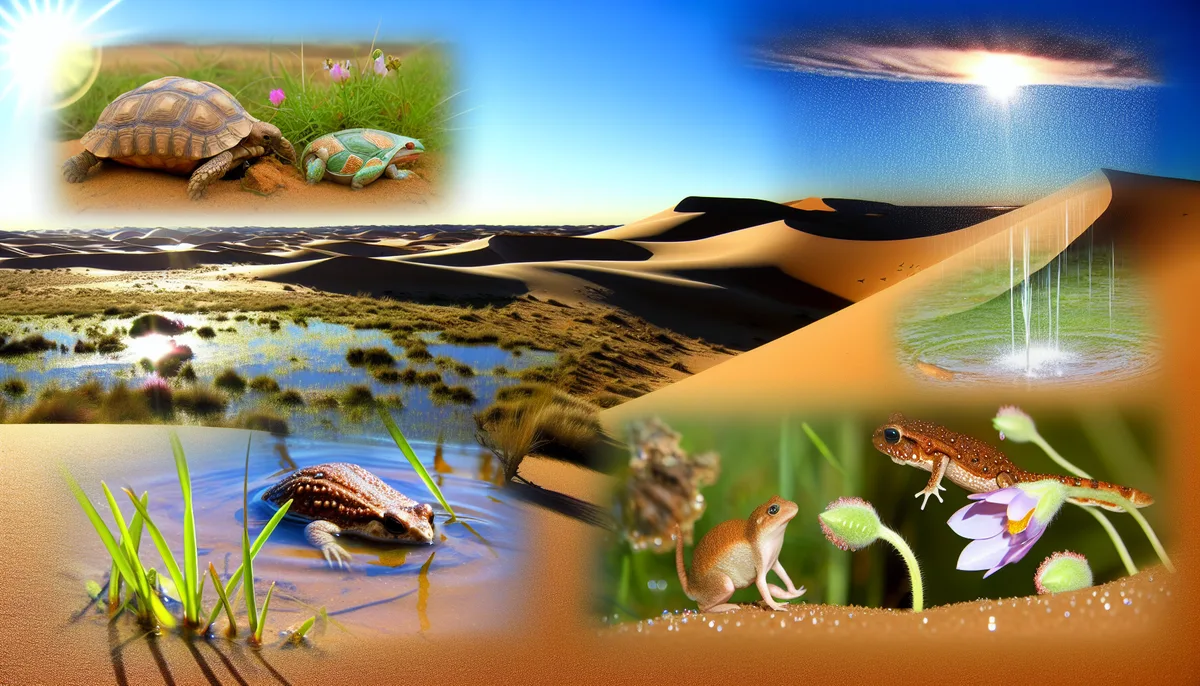
As a child, I assumed the desert was vacant and lifeless. However, I quickly learned life flourishes in the harshest environments in the
Forest Soundscapes: Changes in Animal Communication
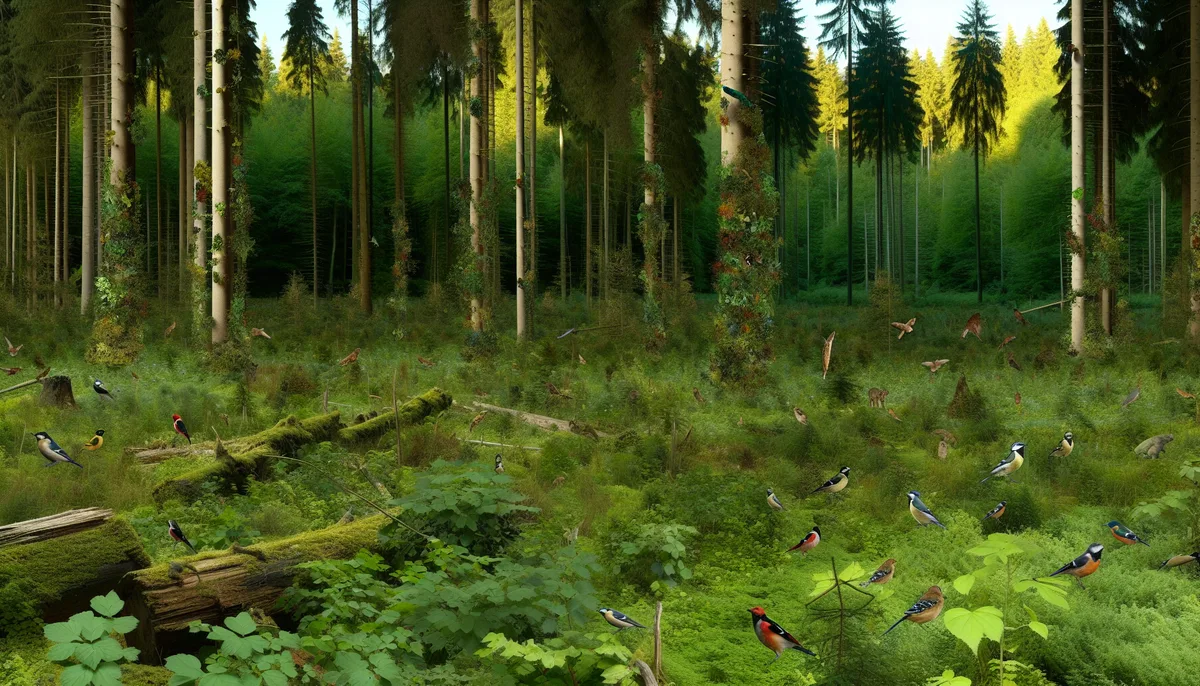
Forest Soundscapes, the living orchestra of nature, forms an amazing symphony of sounds. Within these intriguing soundscapes, animals communicate uniquely with