SCIENCE · space
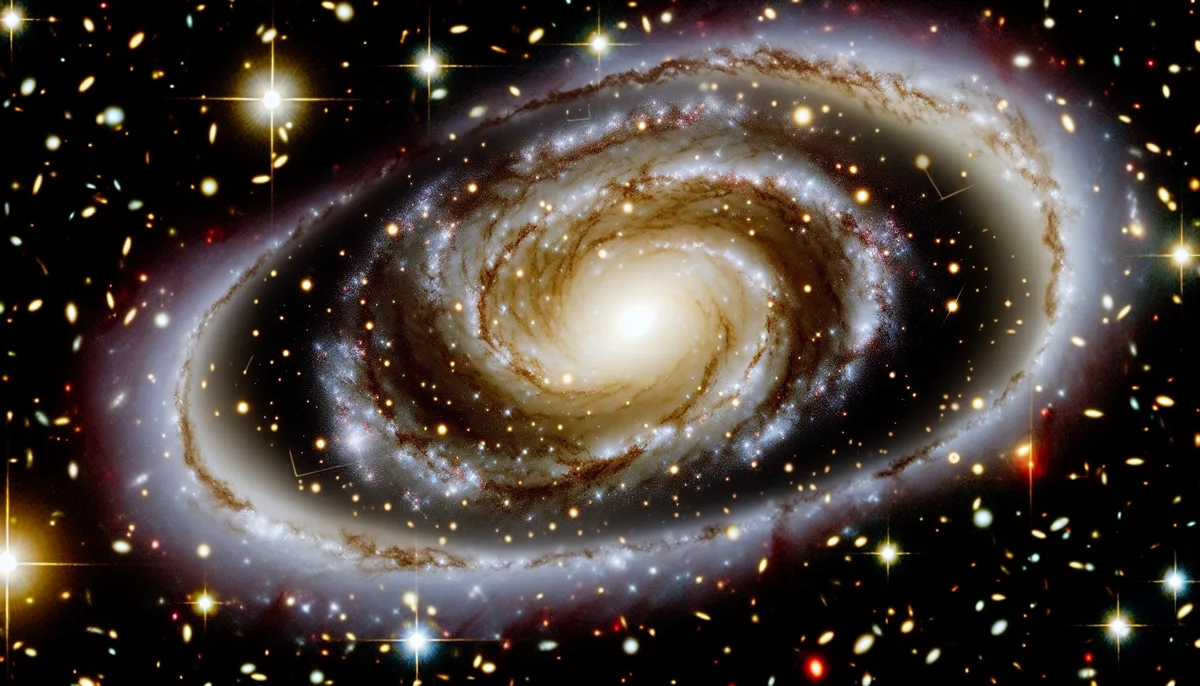
Why Galaxies Rotate Like They Have Invisible Company
Stars at the edges of galaxies move too fast for visible matter alone to explain. That mismatch is one of dark matter's biggest clues.
Big questions, strange observations, and the cosmic facts that make reality feel fictional.
Stars at the edges of galaxies move too fast for visible matter alone to explain. That mismatch is one of dark matter's biggest clues.
Every card carries a clickable label. See the full label glossary →
Established science or active scientific research. The story is grounded in scientific evidence or an active research question. The frontier may still be uncertain. See the full glossary →
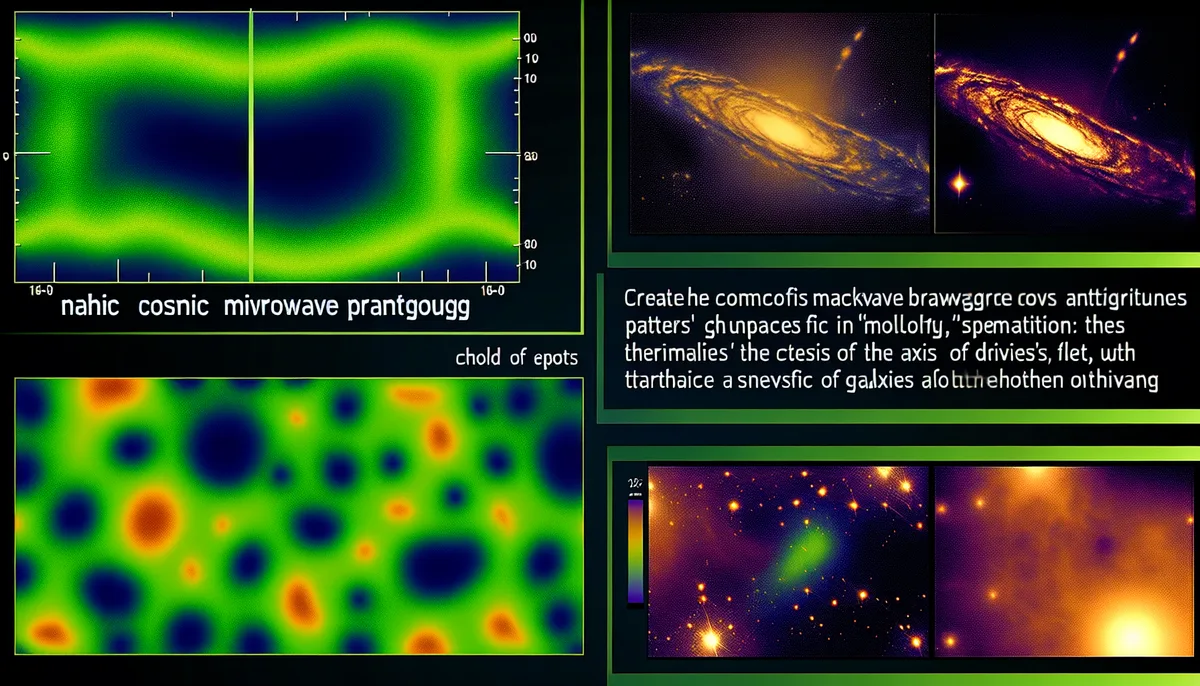
The oldest light in the universe looks nearly smooth—until its faint temperature variations reveal the seeds of galaxies.
In the 1960s, a groundbreaking discovery was made that forever shifted our perception of the cosmos – the Cosmic Microwave Background. This faint radiation,
Unveiling the universe’s past is no easy feat, yet the allure persists. One particularly captivating era is the Cosmic Dark Ages, a time when
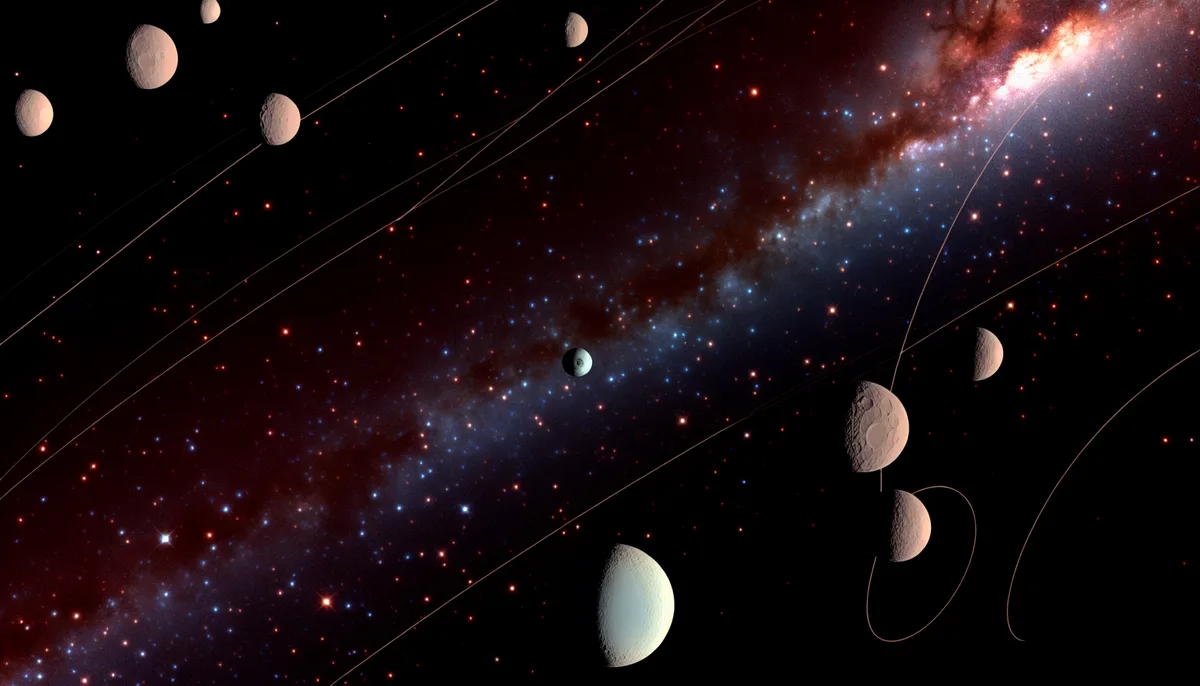
The mysteries and secrets of the cosmos have captivated the world’s curiosity for generations. Among the most fascinating facets of our solar system is the Kuiper
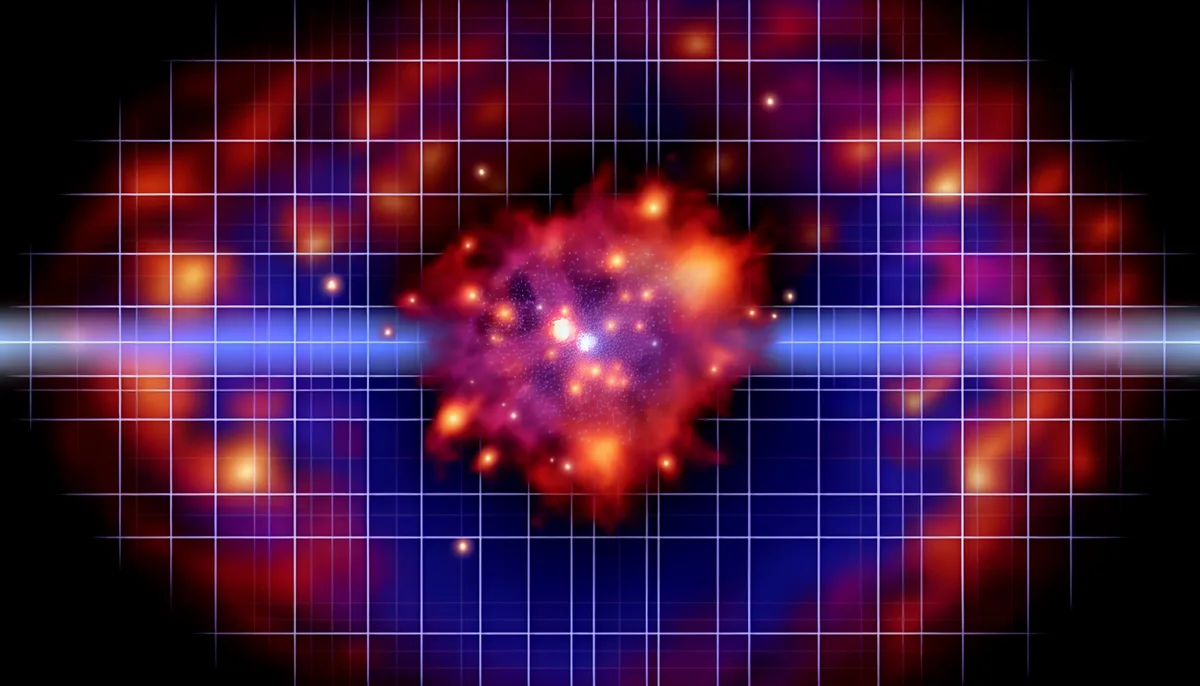
A brief burst of extraordinary expansion could explain why the young universe looks so smooth. What powered it is still open science.
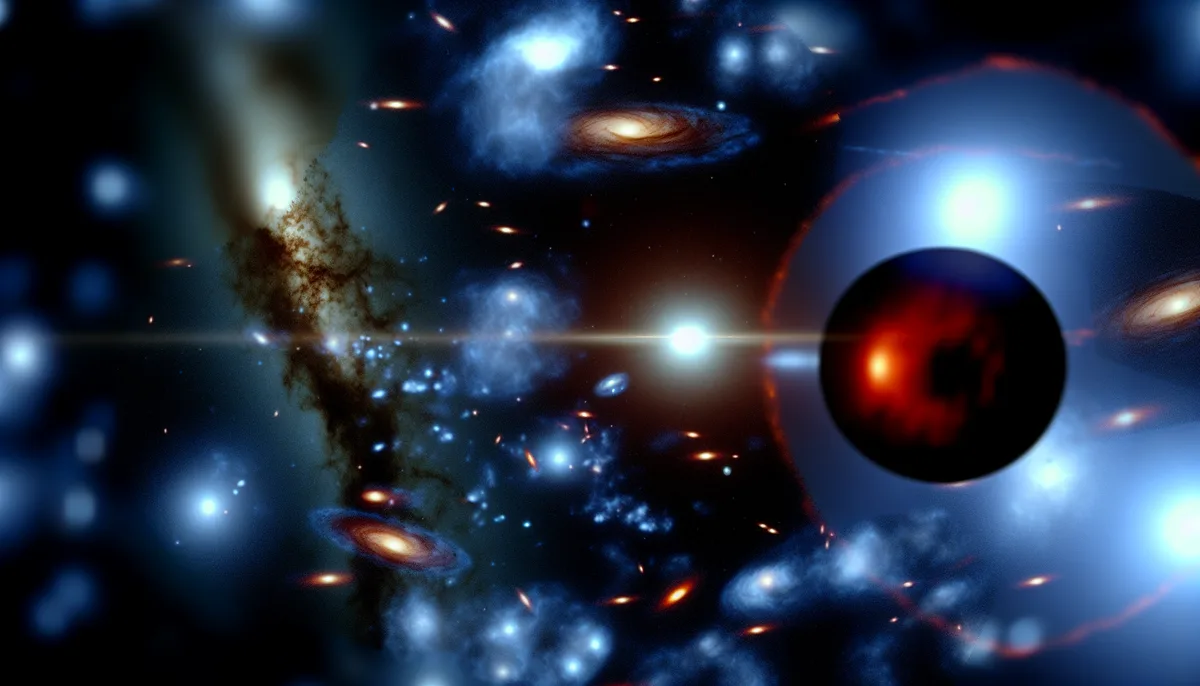
The enigma of the cosmos, particularly the phenomenon of Dark Matter Distributions, has always invoked a sense of awe and intrigue. Dark matter, despite
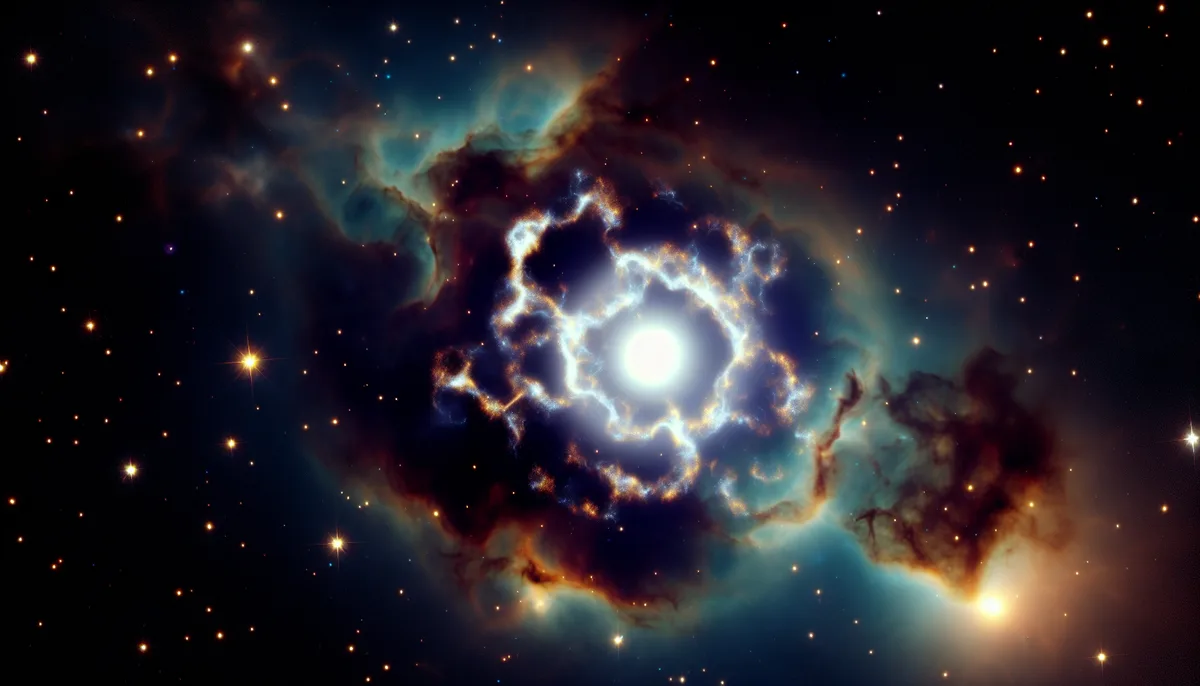
The infinite expanse of the night sky holds countless celestial wonders, but few are as captivating as Supernova Remnants. These are the result of the
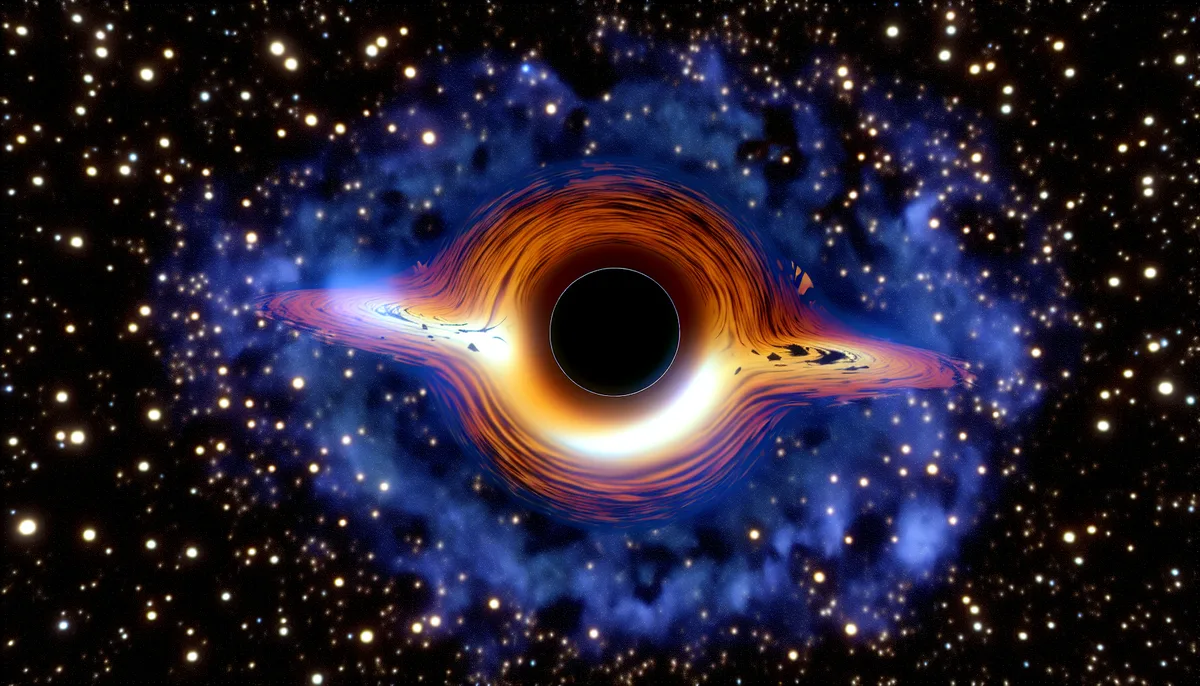
We can observe black holes by their effects on light, gas, stars, and spacetime. What happens beyond the event horizon is still a genuine mystery.
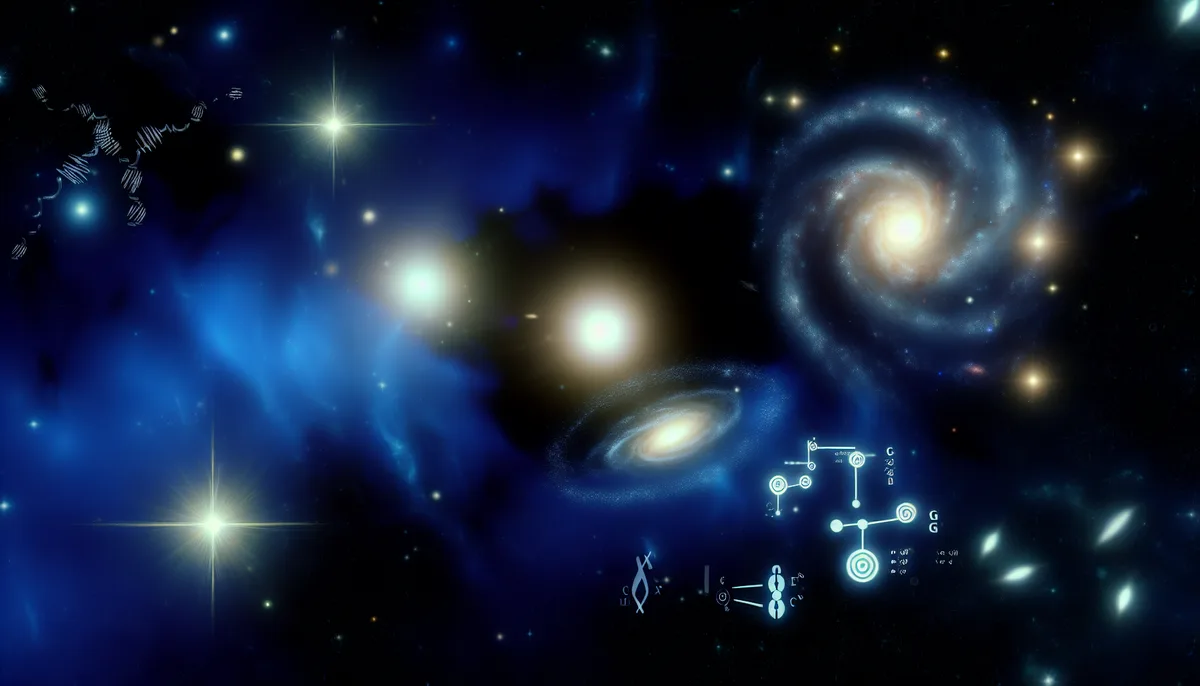
We cannot see dark matter directly, but galaxies behave as if a great deal of unseen mass is holding the cosmic web together.
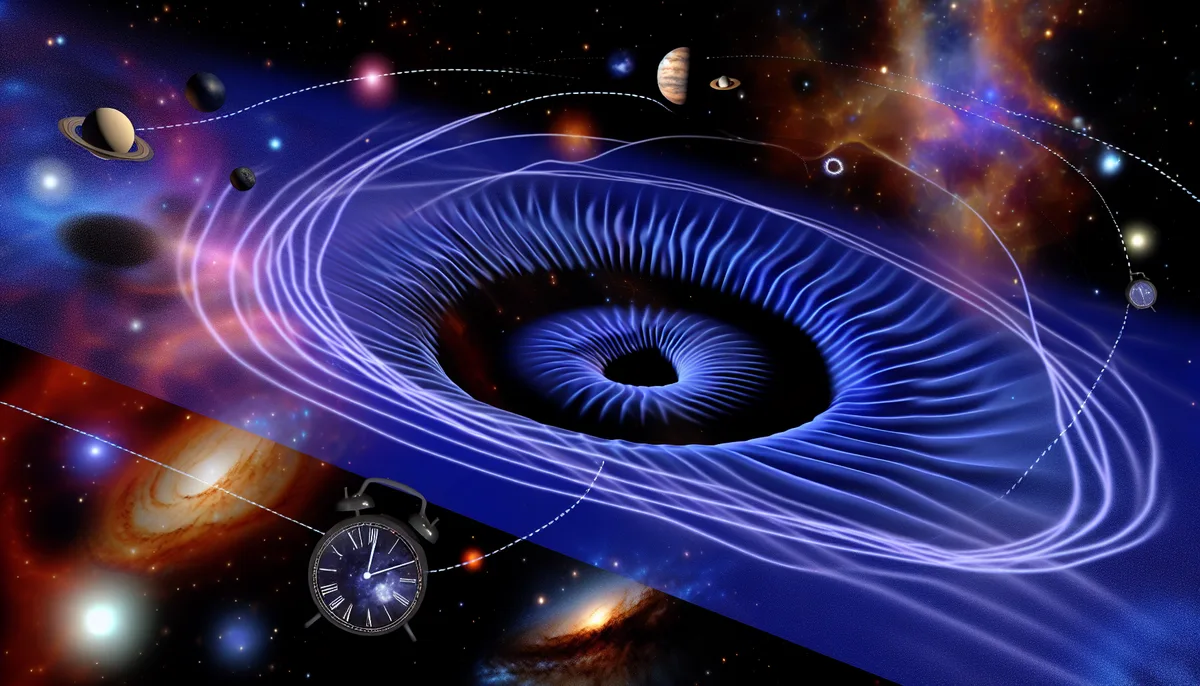
Space-Time, a term synonymous with science fiction, is in actuality the foundational structure of our universe. This article delves into
Dive into the enigmatic world of cosmic voids with me, as I rekindle the youthful wonder from gazing into a sky embroidered with
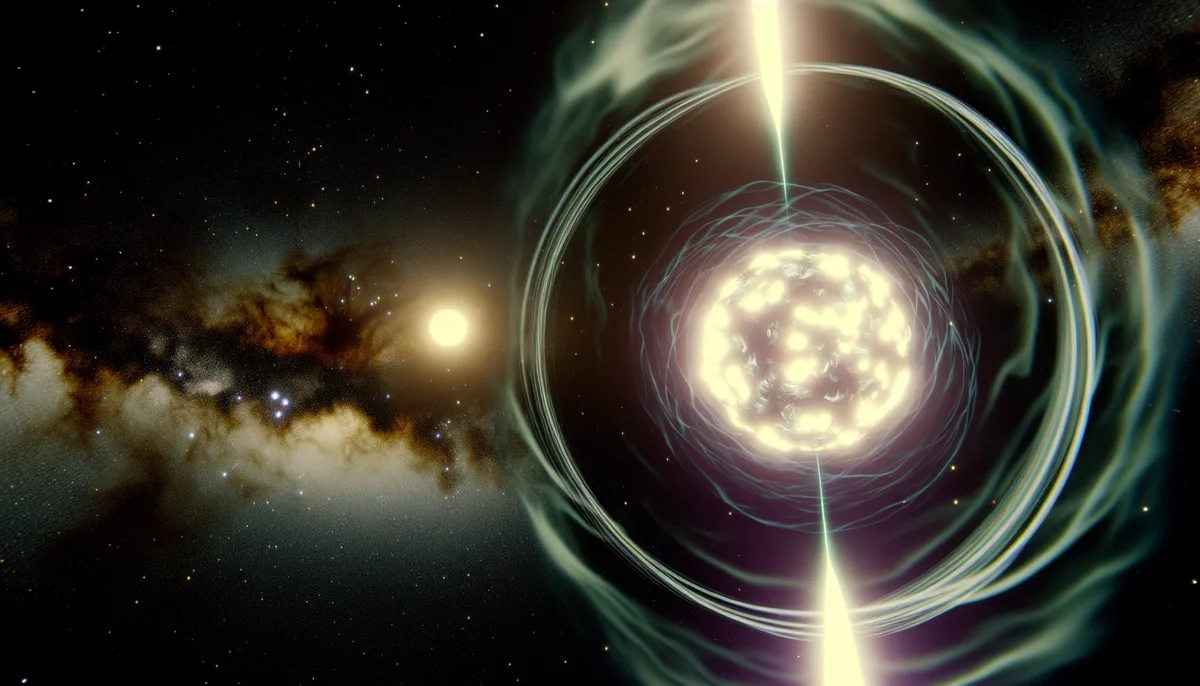
Neutron stars are the remnants of collapsed giant stars, condensed into spheres about 20 kilometers in diameter but with a mass 1.4 times that
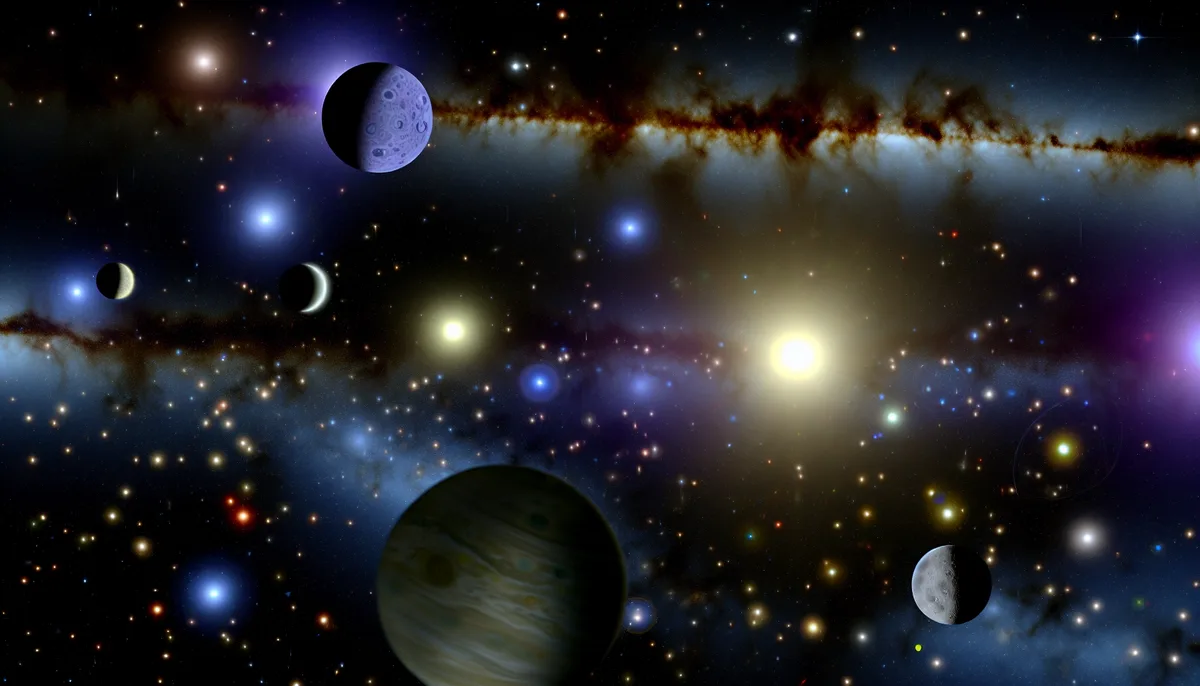
Rogue planets, celestial bodies unattached to any solar system, drift through the cosmos like cosmic nomads. Unlike planets that orbit stars, these unique entities roam independently, varying in size from as small as the Moon to larger than Jupiter. The formation of rogue planets is still a mystery, with theories suggesting they are either ejected from their original solar systems due to gravitational interactions or born independently in the early universe. Detecting these elusive planets involves techniques like gravitational microlensing, where a rogue planet’s gravity bends the light of a distant star. Studying rogue planets can enhance our understanding of planetary formation, evolution, and the potential for extraterrestrial life in extreme environments.
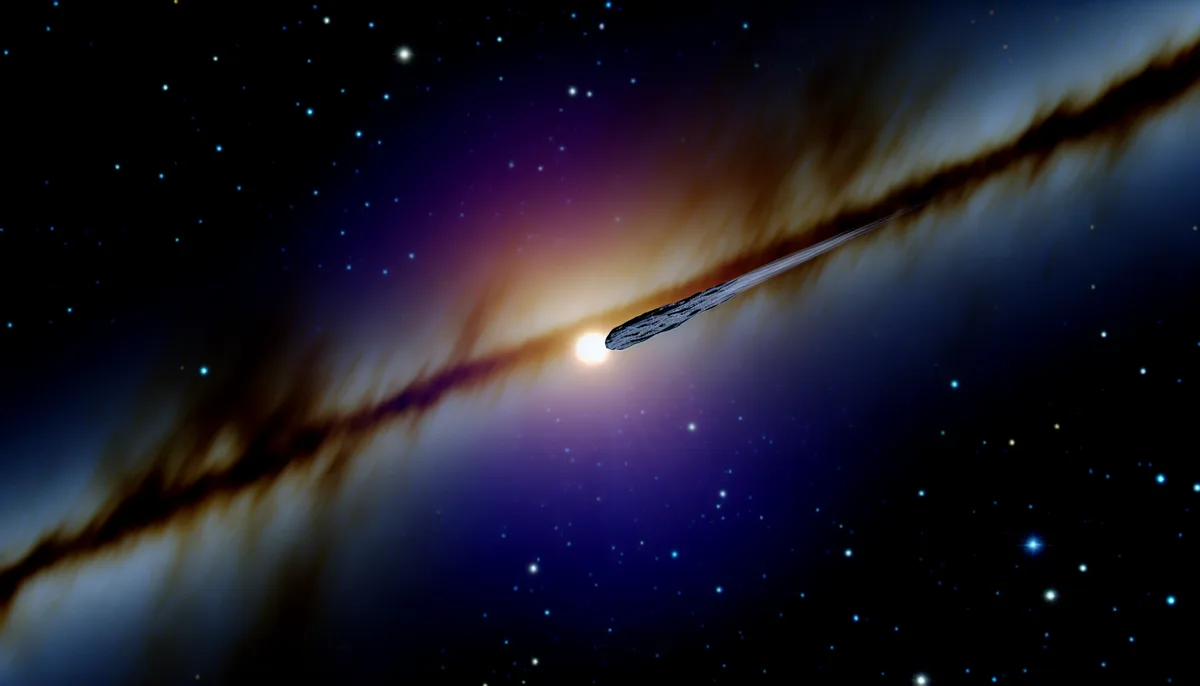
A fast, tumbling object crossed our solar system in 2017. We know where it came from; its exact nature remains delightfully difficult to pin down.
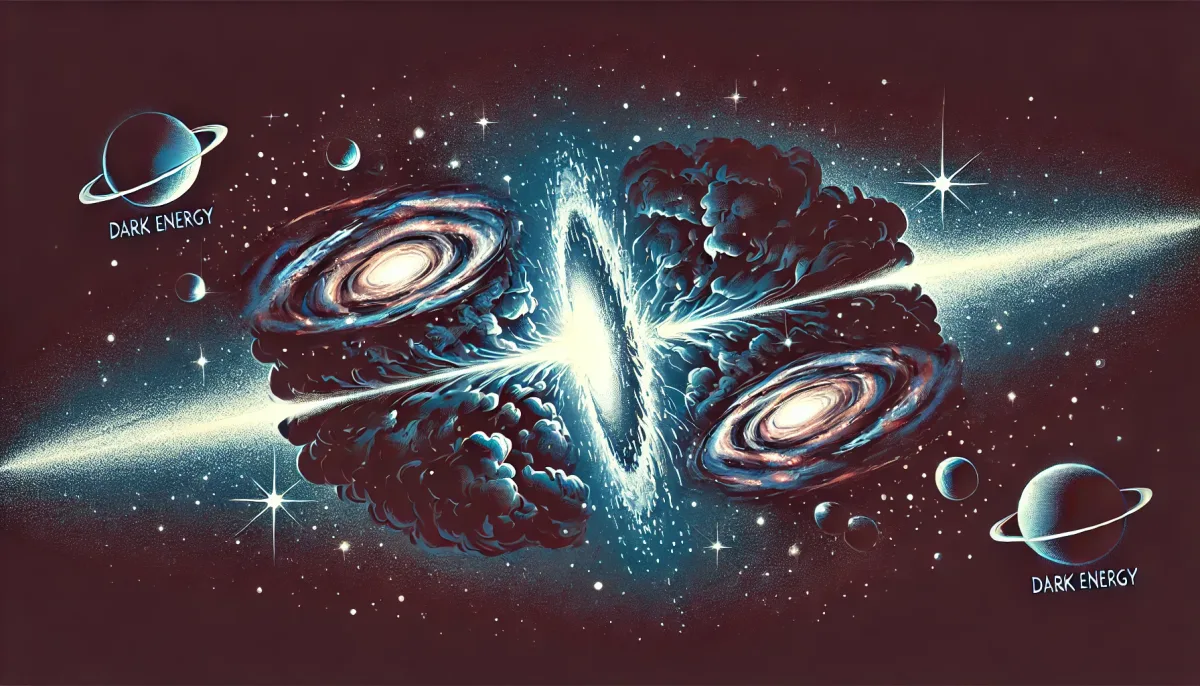
The universe is expanding faster than it used to. We can measure the effect; we still do not know what dark energy actually is.
The mysteries of our universe are seemingly infinite, and one of the most fascinating is Gamma-Ray Bursts (GRBs). These incredible flashes of energy are among the brightest and most powerful events in the cosmos. GRBs are brief, powerful blasts of high-energy gamma rays, often shining a trillion times as bright as the Sun for milliseconds to minutes before fading. There are two primary types: short GRBs, resulting from neutron star mergers, and long GRBs, linked to the deaths of massive stars. Despite significant advances, many questions about GRBs remain, making their study a captivating journey into the depths of the cosmos.
KIC 8462852 really does flicker strangely. Dust is a leading explanation; an alien megastructure is a story, not a finding.
These radio flashes can briefly outshine a galaxy. Magnetars explain some of them—but not yet the whole population.
Galaxies near us drift toward a dense region partly hidden behind the Milky Way. The name sounds like a villain; the evidence is gravitational motion.
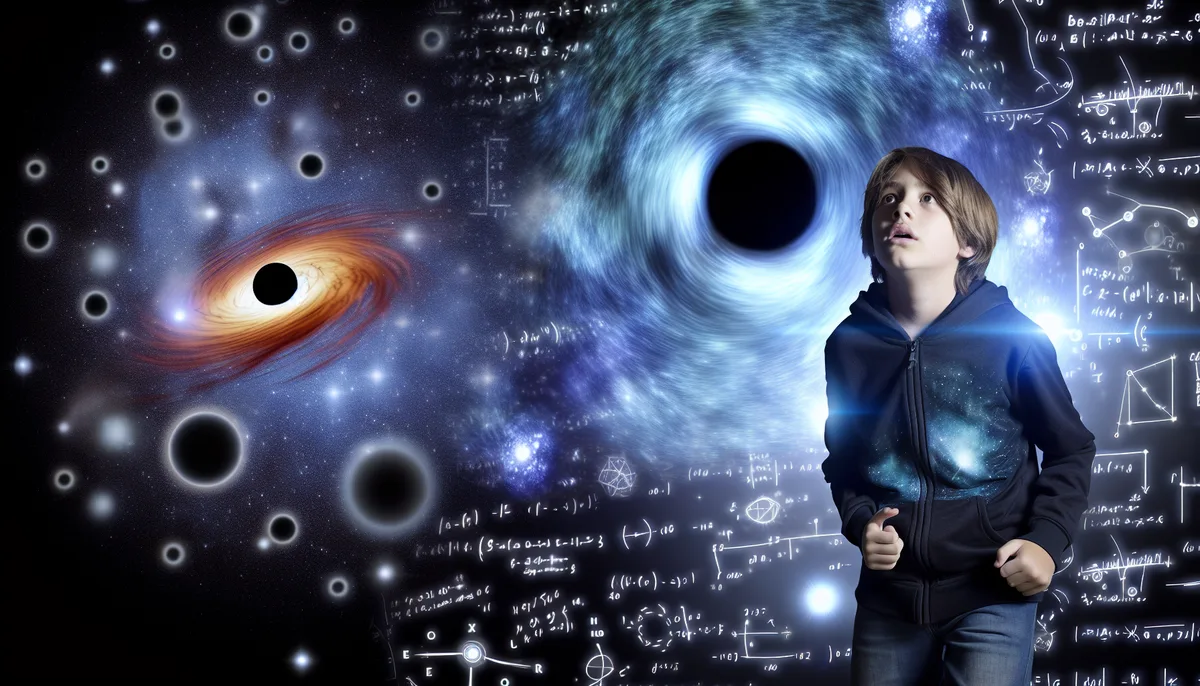
Did you know that a black hole is a point in space with a gravitational pull so strong that even light cannot escape from it? As a young boy, I was captivated by these mystifying phenomena in a universe full of unexplained mysteries. This curiosity led me to astronomy. In April 2019, astrophysicists captured the first image of a black hole in the Messier 87 galaxy, igniting new discoveries and questions. Black holes, formed from the remnants of massive stars, continue to intrigue scientists. From their formation to their potential as time machines, black holes remain one of the universe’s most captivating mysteries.