SCIENCEWhat does SCIENCE mean?
Established science or active scientific research. The story is grounded in scientific evidence or an active research question. The frontier may still be uncertain. See the full glossary →
The Strange Twists of Space-Time
Space-Time, a term synonymous with science fiction, is in actuality the foundational structure of our universe. This article delves into
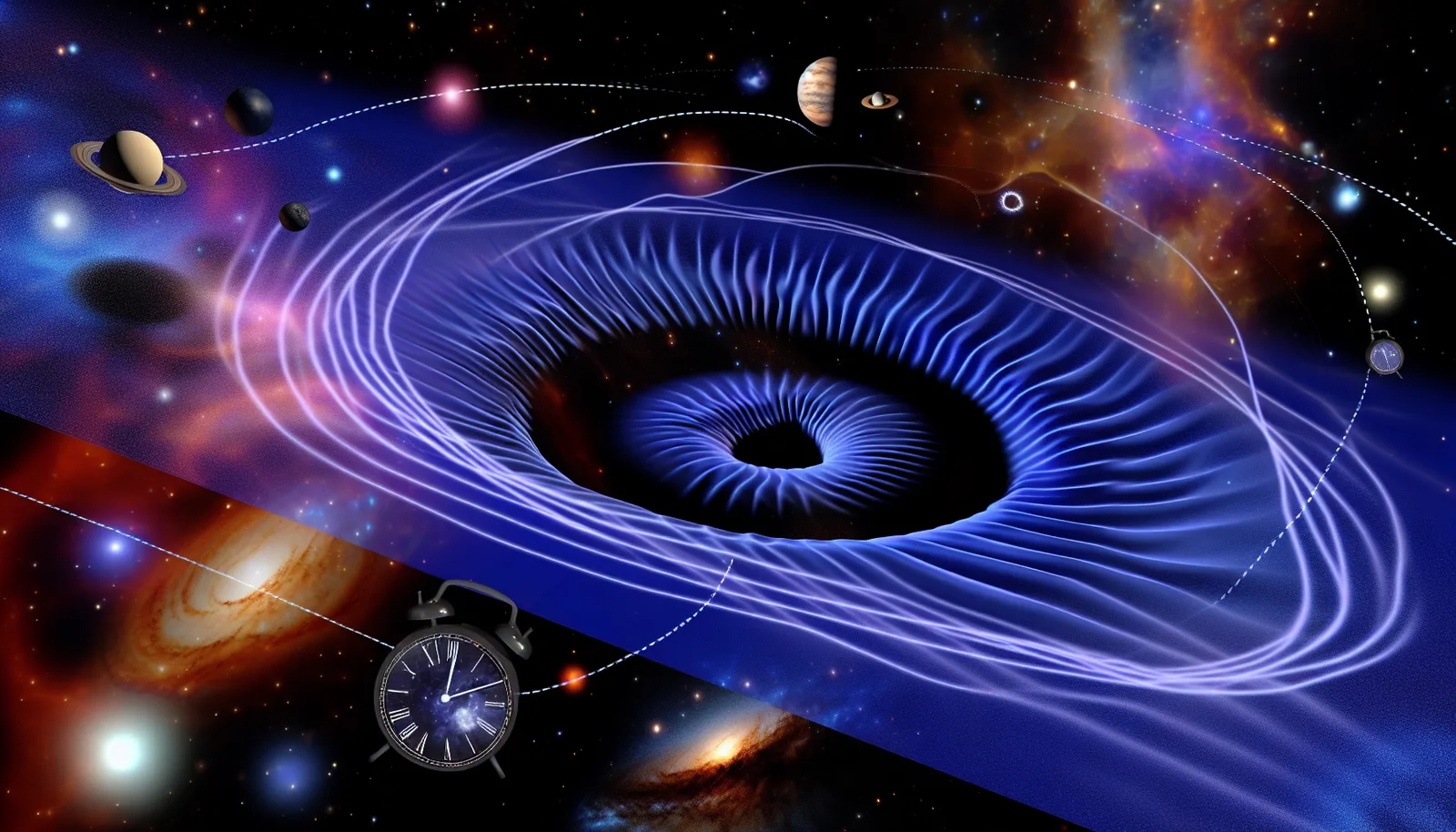
“Space-Time, a concept often seen in science fiction, is more than just an intriguing term. In fact, it forms the very fabric of our universe. In this article, we explore the peculiar properties and strange twists of Space-Time that astrophysicists and cosmologists continue to puzzle over.
What is Space-Time?
Imagine a trampoline with a bowling ball in the middle. The ball distorts the surface, creating a curved depression. This is a simplified but fairly accurate way to visualize Space-Time. It’s a four-dimensional fabric that shapes our very reality: the three dimensions of space (length, width, height) and the ever-constant forward march of time. When a large object such as a planet or star exists, it bends this fabric, producing the phenomena we understand as gravity.
The Space-Time Conundrum
If we delve deeper into the mysteries of Space-Time, we encounter some rather strange and bewildering concepts. While pondering about this, even the famous physicist Albert Einstein was led to formulate his groundbreaking theory of relativity. According to this theory, Space-Time isn’t just a static field—it’s dynamic. Distortions in the fabric of Space-Time aren’t merely curvature due to mass—it’s a warping due to energy and momentum too.
Flexibility of Time in Space-Time
One peculiar aspect of Space-Time is the idea that time is flexible. Einstein’s theory of relativity postulates that the perceived flow of time isn’t universally constant. Instead, it varies based on an object’s speed and proximity to gravity. This concept, known as time dilation, suggests that time runs slower as we approach the speed of light or the gravitational pull of a massive object.
Wormholes: Strange Twists in Space-Time
A fascinating theorized result of the warping of Space-Time is the existence of wormholes. Wormholes can be visualized as tunnels connecting distant points in space, creating a “shortcut” through Space-Time
Although we have no empirical evidence of its existence, a National Geographic study explores the idea of wormholes and their potential implications for space travel and time travel.
The Quest for Unraveling Space-Time Mysteries
Despite our growing understanding, Space-Time remains largely enigmatic. From quantum loop gravity to string theory, scientists across the globe are employing innovative approaches to decipher the inherent nature of the universe, hoping one day to unlock the mysteries of Space-Time.
Addressing Quantum Quirks
Apart from large galactic phenomena, Space-Time’s strange twists also manifest themselves at the quantum level. Down at this scale, the smooth fabric of Space-Time might not be smooth at all, but rather a frothy, chaotic foam of fluctuating and
ephemeral ‘quantum’ wormholes.
Conclusion
As we continue to explore and seek answers, the malleable fabric of Space-Time continues to astound us with its peculiar properties and strange twists. From the flexibility of time to the possibility of wormholes, it’s clear that there is much about Space-Time and the larger universe that we are yet to fathom. It is these unanswered questions and unexplored territories that fuel our quest for understanding, making the study of Space-Time as fascinating as it is perplexing. Until we completely unravel these mysteries, we will continue to probe the universe’s spectacular enigmas and remain captivated by the strange twists of Space-Time.”
Sources & further reading
Use NASA Science, NOAA Ocean Service, Smithsonian, and Encyclopaedia Britannica as starting points. Specific claims should be checked against primary research and archival sources.
Go down the rabbit hole
Surprise me →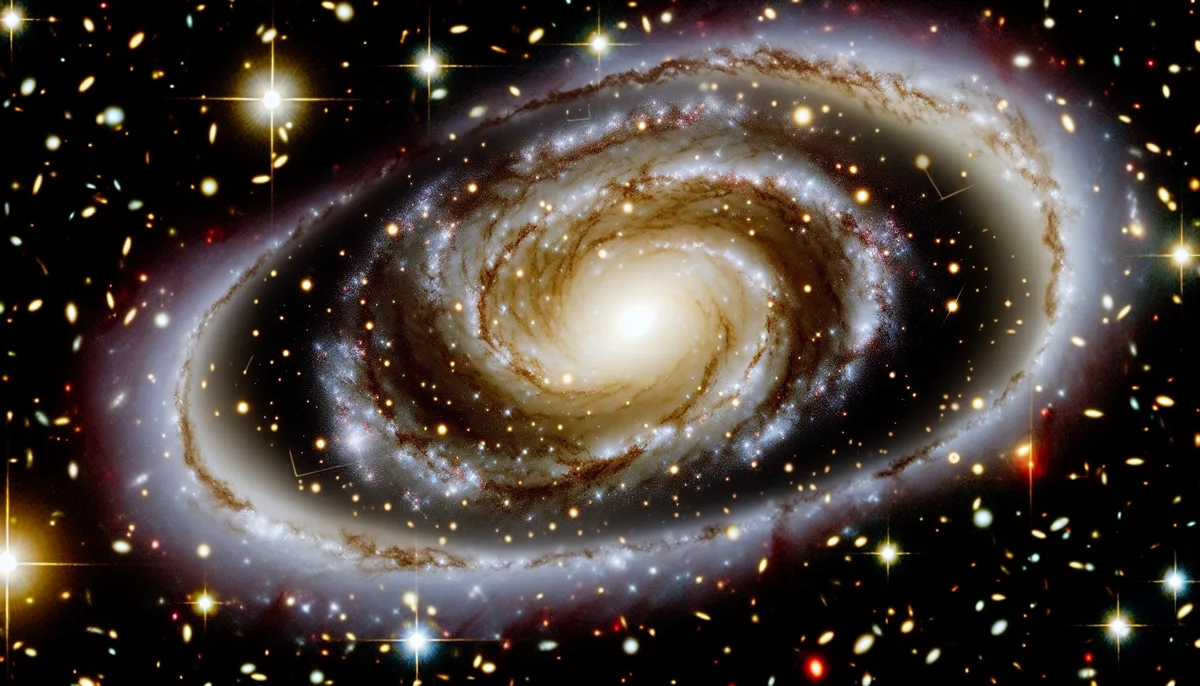
Why Galaxies Rotate Like They Have Invisible Company
Stars at the edges of galaxies move too fast for visible matter alone to explain. That mismatch is one of dark matter's biggest clues.
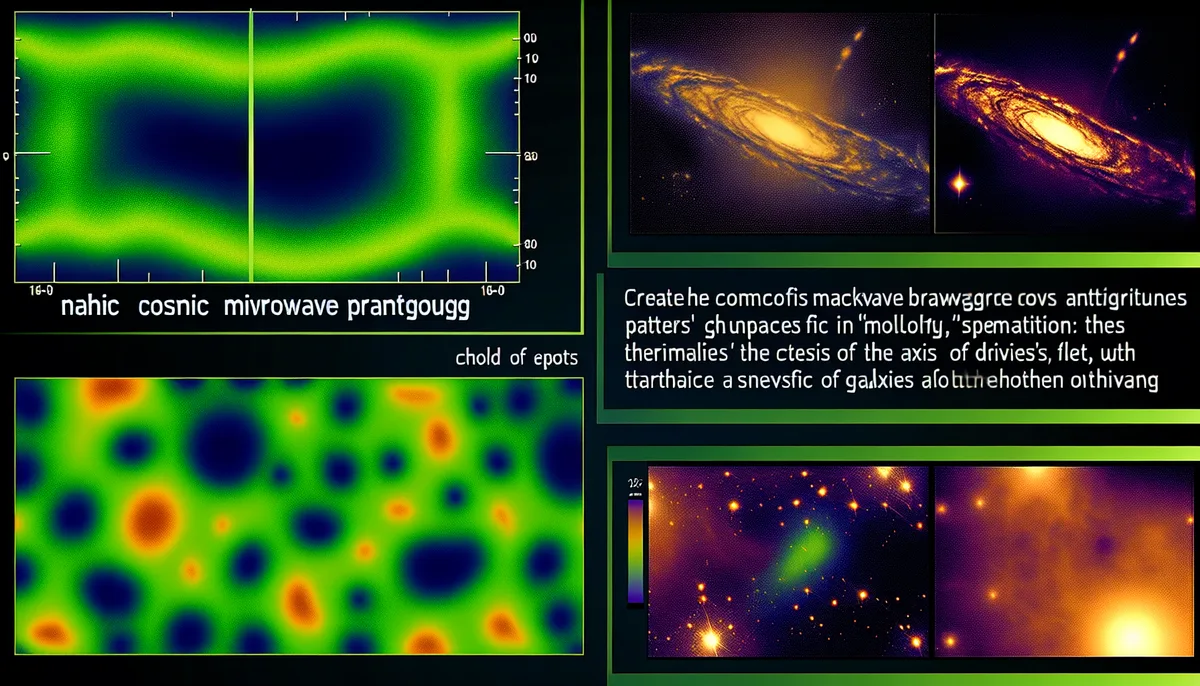
The Cosmic Microwave Background: The Baby Picture With Tiny Cosmic Clues
The oldest light in the universe looks nearly smooth—until its faint temperature variations reveal the seeds of galaxies.
Mysterious Cosmic Microwave Background
In the 1960s, a groundbreaking discovery was made that forever shifted our perception of the cosmos – the Cosmic Microwave Background. This faint radiation,