SCIENCEWhat does SCIENCE mean?
Established science or active scientific research. The story is grounded in scientific evidence or an active research question. The frontier may still be uncertain. See the full glossary →
Underwater Caves: Discovery of New Ecosystems
Diving into the depths of the world’s oceans to explore underwater caves is more than just an adventure, it’s a scientific journey. These submerged sanct
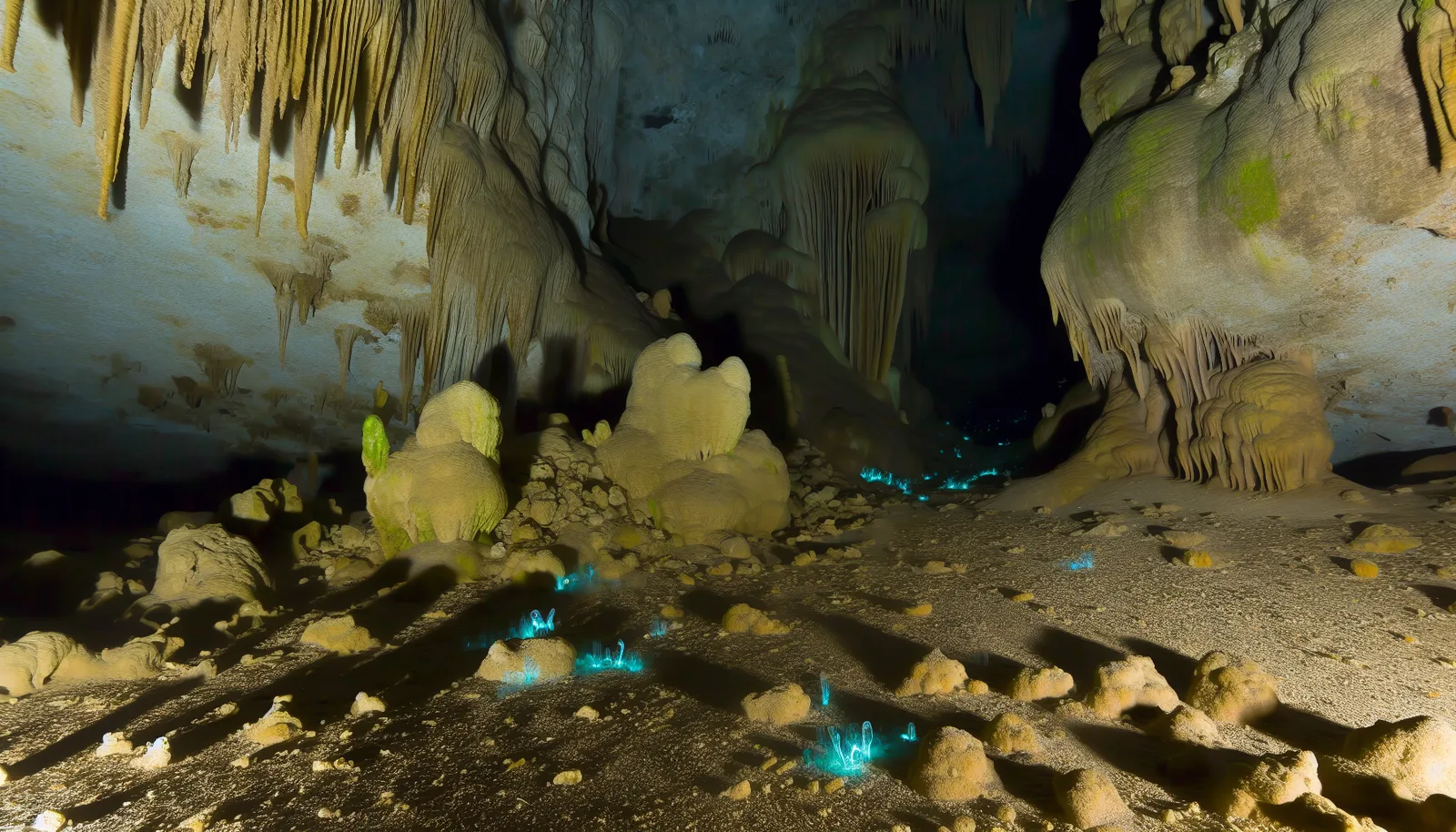
Introduction
Exploring the depths of our vast oceans has always been a fascinating endeavor. Yet, one of the most intriguing aspects of this exploration is the discovery of underwater caves. These sub-aquatic havens harbor unique ecosystems, unseen and untouched by the human eye. Let’s delve into the mysterious world of underwater caves and their newfound ecosystems.
What are Underwater Caves?
Underwater caves, often referred to as submerged or subaqueous caves, are natural formations found beneath the water’s surface. They can be found in oceans, lakes, and even groundwater systems. The development of these caves can be attributed to a variety of geological processes, such as the dissolution of soluble rocks, tectonic activity, and wave action on coastal cliffs.
Ecosystems in Underwater Caves
Underwater caves support diverse and distinctive ecosystems. These unique habitats are home to a plethora of organisms, many of which have adapted to survive in the challenging conditions of these aquatic caves. For instance, some species have evolved to live without sunlight, relying on chemosynthesis for sustenance instead of photosynthesis.
Discovery of New Underwater Cave Ecosystems
Recently, researchers have unveiled new ecosystems within underwater caves. These ecosystems are teeming with a variety of life forms, from microscopic organisms to large predators. The isolation of these caves has led to the evolution of species that are not found anywhere else on Earth. As such, these discoveries are vital to our understanding of biodiversity and evolution.
Example of a New Underwater Cave Ecosystem
A prime example of such a discovery is the underwater caves in the Yucatán Peninsula. These caves, known as cenotes, have unveiled a world teeming with life. Researchers found unique species of fish, crustaceans, and even bacteria thriving in these caves. The unique species discovered in these underwater caves have provided valuable insights into the adaptability of life in extreme conditions.
Importance of Studying Underwater Caves
Studying underwater caves and their ecosystems is vital for various reasons. For one, they act as natural laboratories, allowing scientists to observe evolutionary processes in action. The unique conditions within these caves have led to the development of species and adaptations that cannot be found anywhere else.
Furthermore, these ecosystems can potentially hold the key to new medical breakthroughs. For instance, the unique bacteria found in underwater caves may produce unknown compounds that could be useful in developing new drugs.
Challenges of Exploring Underwater Caves
Despite their importance, exploring underwater caves presents numerous challenges. These include physical risks, such as cave-ins and getting lost, as well as the technical difficulties of diving in these environments. However, advances in diving technology and techniques are making it progressively easier to explore these captivating environments.
Conclusion
In conclusion, the exploration of underwater caves and their newly discovered ecosystems is a thrilling frontier for scientific discovery. Each cave holds the potential for new species, unique adaptations, and invaluable insights into our planet’s biodiversity. As we continue to explore these underwater sanctuaries, who knows what other secrets we’ll uncover?
Sources & further reading
Use NASA Science, NOAA Ocean Service, Smithsonian, and Encyclopaedia Britannica as starting points. Specific claims should be checked against primary research and archival sources.
Go down the rabbit hole
Surprise me →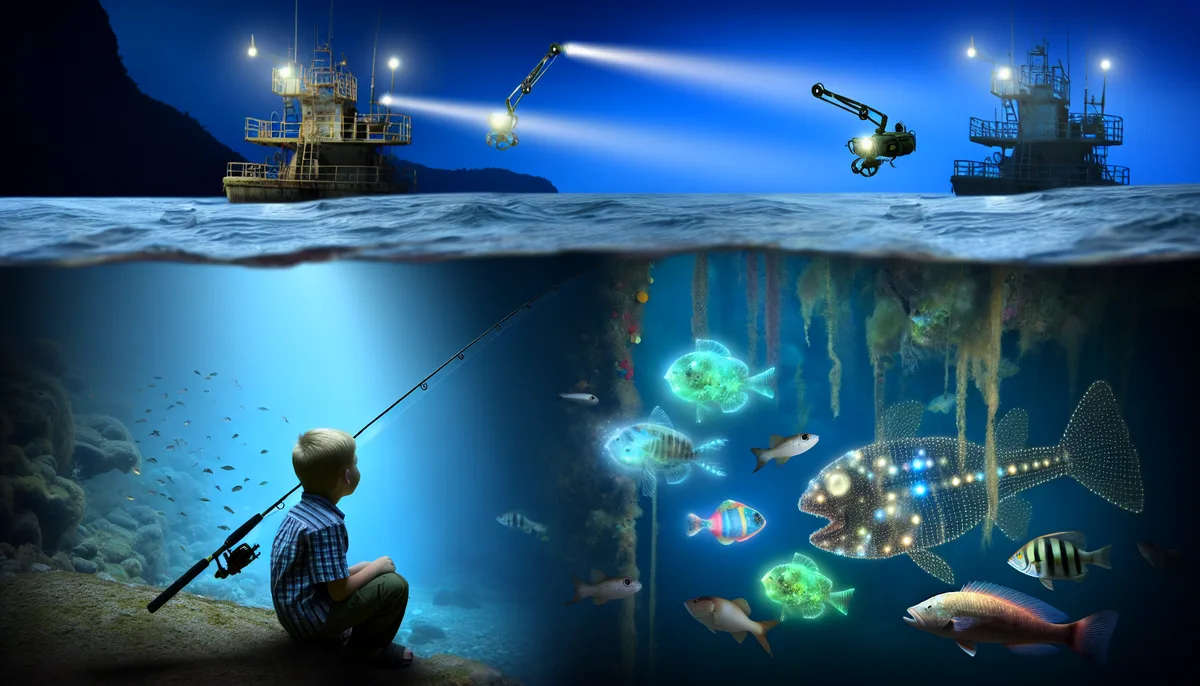
Rare Fish Sightings: New Species Found in Deep Seas
Shops David Parish-James Breamore Countryside Museum: tel 01725 512468 e. david@breamorehouse.com The Trust Cafe B+F 0300
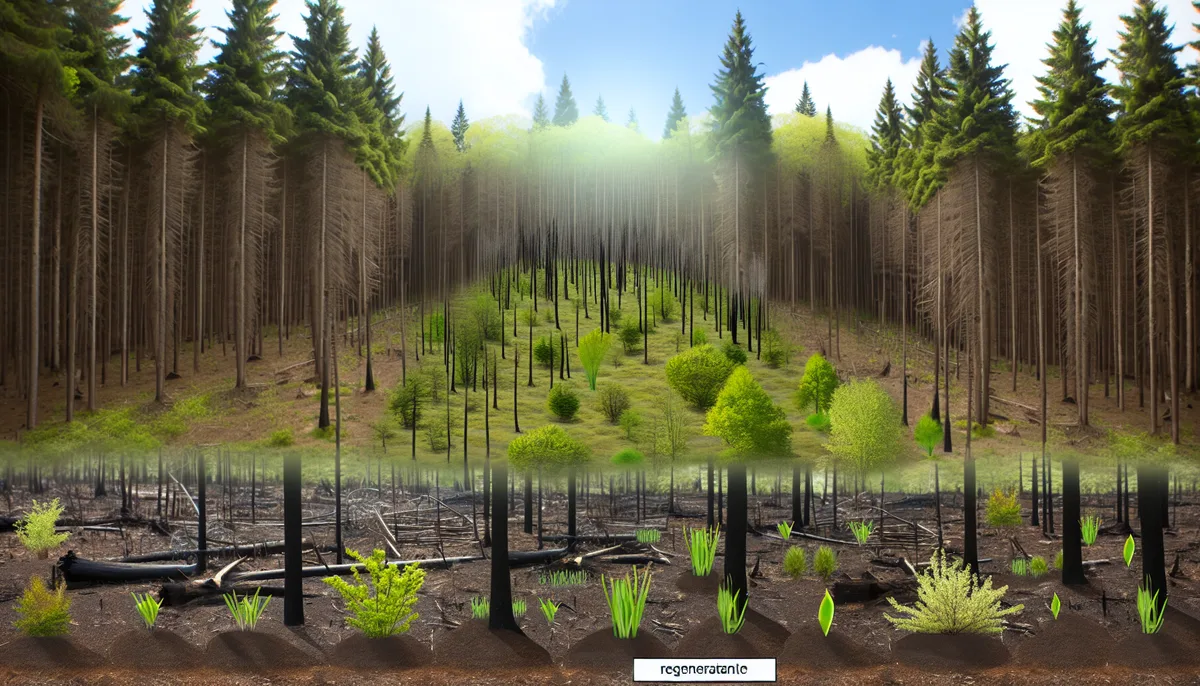
Forest Regeneration: Rapid Recovery After Devastating Wildfires
Our planet’s ability to heal and renew, is on full display through Forest Regeneration. This intriguing process enables forests to spring back to life after disturbances
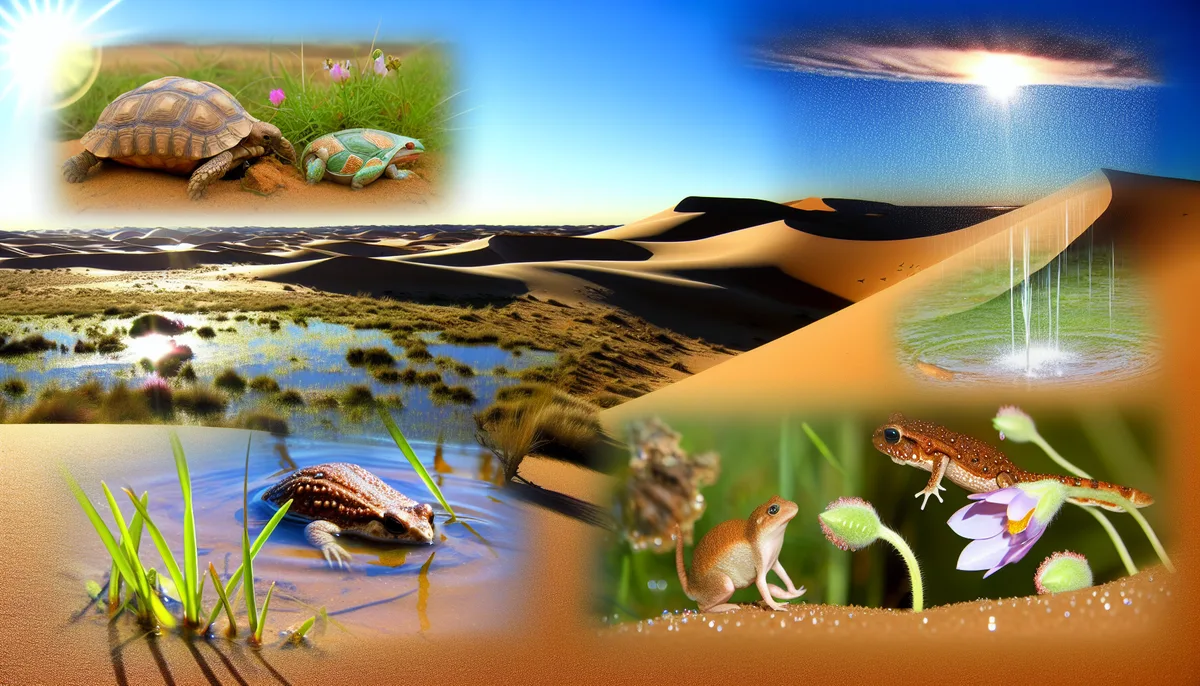
Desert Wildlife: Unusual Animal Behavior After Rains
As a child, I assumed the desert was vacant and lifeless. However, I quickly learned life flourishes in the harshest environments in the